Brake noise is one of the most common warnings your vehicle gives you, and it should never be ignored. Whether it’s a faint squeak in the morning or a heavy metallic grind, understanding what your brakes are telling you can save your rotors and keep you safe on the road.
Common Causes of Brake Squealing
-
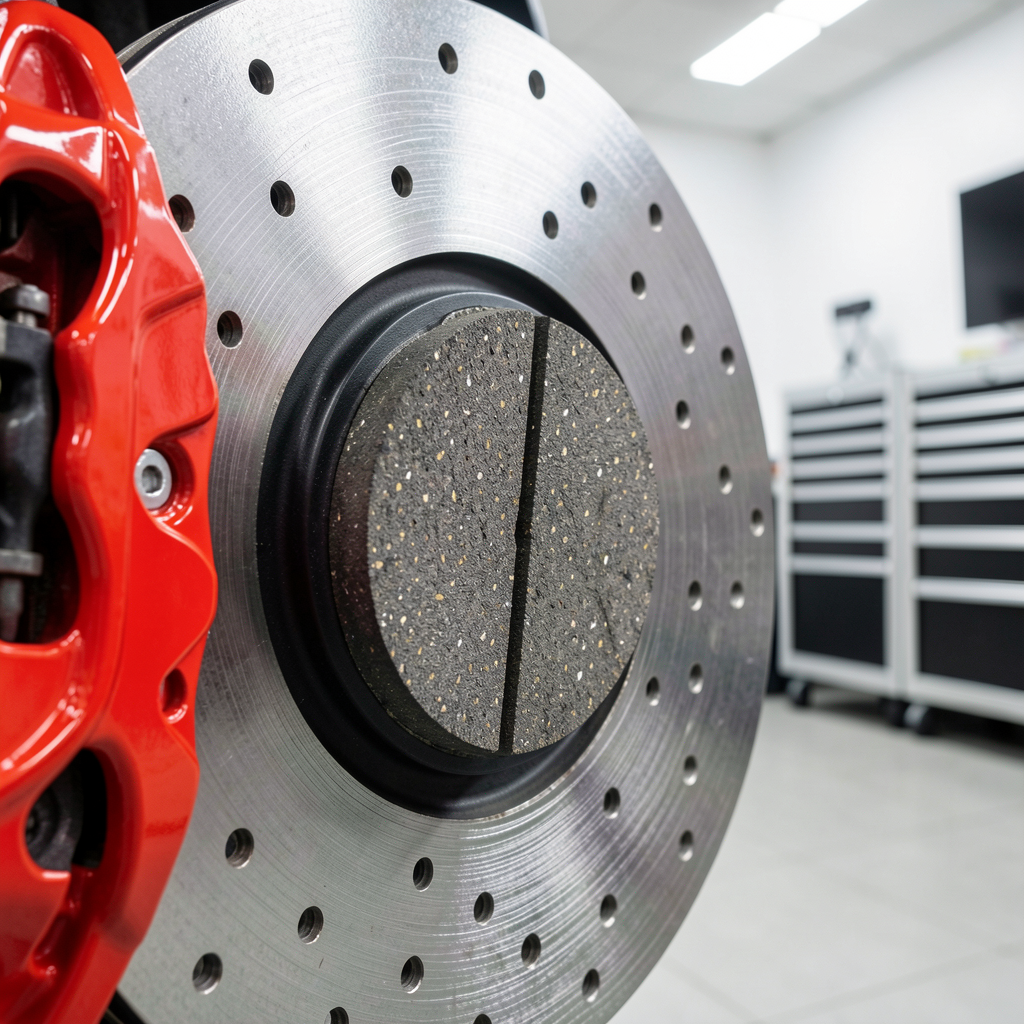
Built-In Wear Indicators: Most modern brake pads feature small metal tabs designed to touch the rotor and emit a high-pitched squeal once the friction material wears down to 2–3 millimeters. This is a direct signal that pad replacement is due.
-
Dust & Moisture Accumulation: Moisture overnight can form a thin layer of rust on iron brake rotors, causing brief squeaking during initial morning stops that clears up quickly.
-
Glazed Pads or Rotors: Overheating from hard braking or constant downhill riding hardens the friction material, resulting in a smooth surface that squeaks under pressure.
-
Worn-Down Friction Material (Grinding): A harsh grinding noise means the brake pad material has completely worn away, causing metal backing plates to grind against the rotor surface.
How Mechanics Fix Brake Noise
Resolving brake noise requires replacing worn pads, resurfacing or replacing damaged rotors, and applying specialized anti-squeal lubricant to caliper contact points. Timely service ensures smooth, silent, and reliable stopping power.